
Samsung Galaxy A vs M vs S Series
Use Galaxy series notes to start exact-model comparisons; do not infer a regional phone’s complete hardware, software or support terms from letters alone.
AI-assisted source check; independent human expert review not recorded. Research methodology
Galaxy A, M and S are series labels, not complete specifications. Samsung’s regional guides commonly describe S as premium/flagship, A as mid-range and M as value or battery-oriented, while also warning that models vary by country. This page turns that high-level information into an exact-model research method. It does not declare that every A, M or S phone has the same feature set, price, software or warranty route.
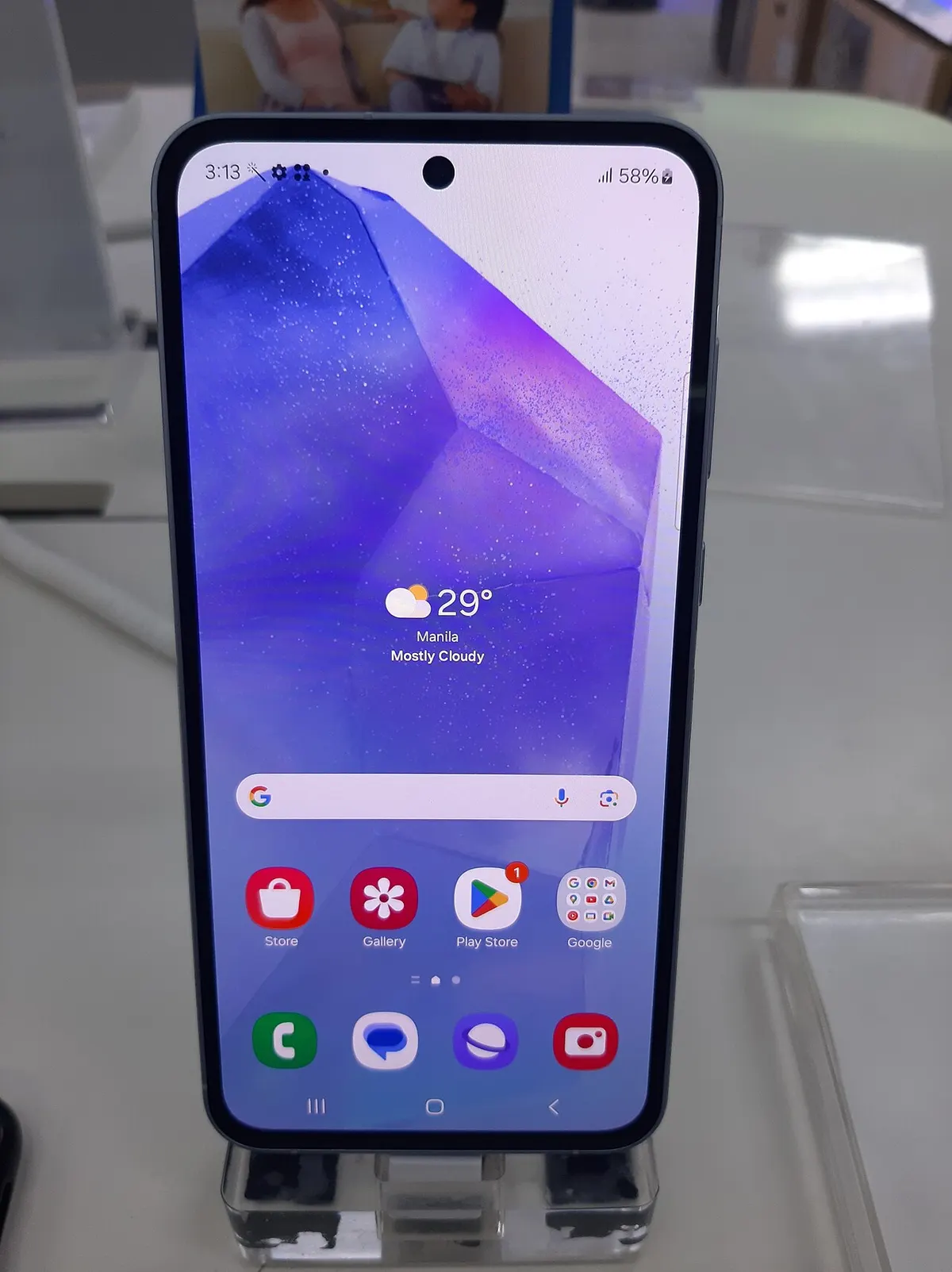

Use series labels for orientation only
Samsung’s UK comparison discusses specific S25 and A series examples. Samsung Mexico’s range guide describes M as oriented to battery life and value. These pages provide useful context, but their statements are tied to named series, models and markets. A letter is not a promise about an individual device.
Write the full product name and model number first. Then compare the official material for that exact model and claimed market. Samsung’s identifier guidance distinguishes a model number from a serial number and IMEI; only the first is an appropriate public comparison key.
| Research question | Series label can help | Exact model evidence still needed |
|---|---|---|
| Broad positioning | Establish a starting family | Storage, display, camera and processor |
| Battery expectation | Frame a question | Capacity, charging and market configuration |
| Software/services | Identify a possible difference | Current regional support statement |
| Warranty | None by itself | Seller and local programme terms |
| Network use | None by itself | Model/market/provider confirmation |
Compare relevant requirements
Avoid a feature checklist copied from a generic review. Start with the use requirement: workplace security, storage, camera, display, service, carrier or battery use. For each candidate, attach the official source that addresses the requirement. If the offer uses a different model number or has no market declaration, keep the point open.
The specification comparison worksheet makes this visible. Its purpose is to show the difference between evidence and assumption. It does not determine compatibility or show which series is “best.”
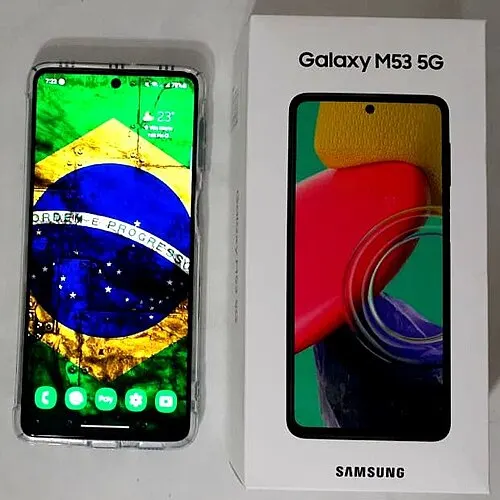

Regional versions and listing titles
An illustrative listing says “Galaxy M device, international version.” That title identifies neither an exact model nor the documentation behind the region claim. Request the model number, storage, condition, market and source. Check the manufacturer page for that variant. If a key feature depends on a carrier or country, verify it with the relevant party.
Do not infer current support, security features, microSD availability, charging capability or package contents from the series letter. Those fields have changed across models and markets. A photo of a handset can show a device’s appearance; it cannot prove the configuration in a different listing.
Keep product identity and seller evidence apart
Once an exact model is documented, evaluate the seller. Distributor vs Wholesaler vs Reseller explains that role names do not by themselves establish authorization or responsibility. The supplier evidence guide provides a separate record for business claims. At receipt, use the first-order checklist to compare the order against what was agreed.
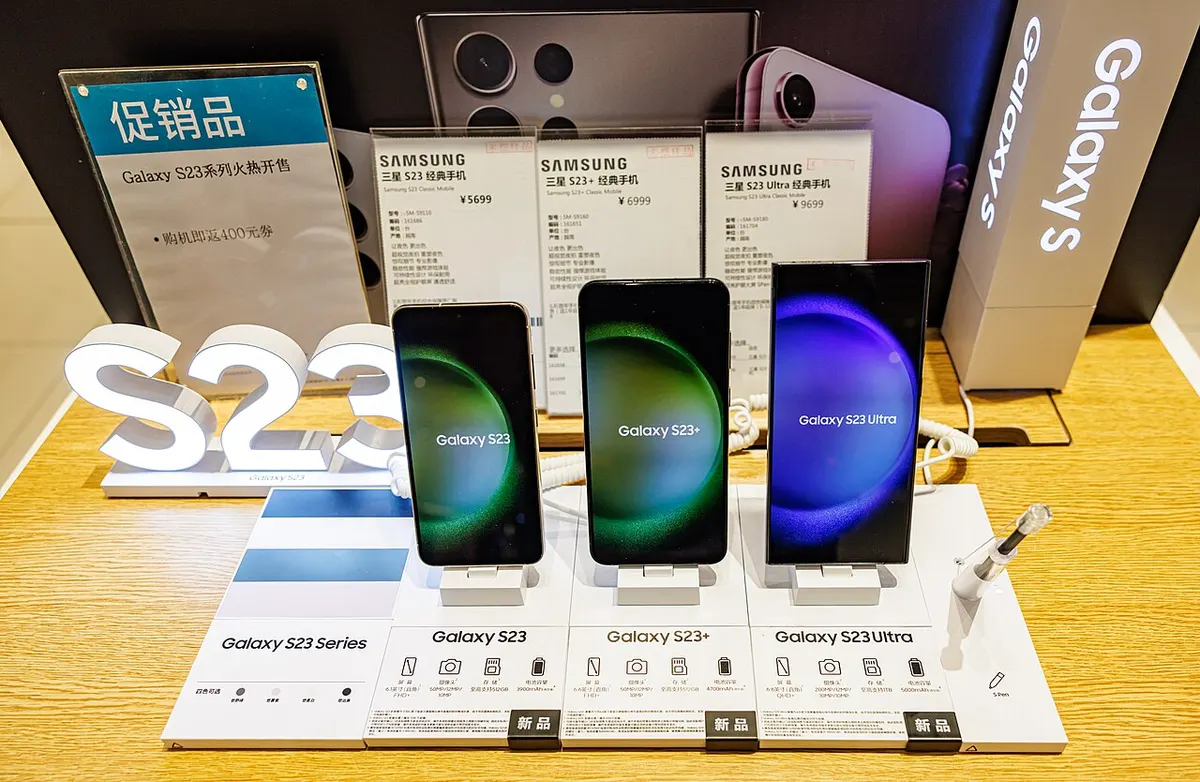

Scope and next steps
The reference photos show real older Samsung devices under their stated open licences. They are not current-buying advice, Samsung-supplied catalogue assets or proof for any seller’s inventory. ElectronicSeek does not test phones, publish a complete Galaxy database or validate regional warranties. Continue with the Samsung brand guide, Mobile Phones and the editorial methodology for the source-check boundary.
Apply the guide to evidence, not to a sales label
This guide explains a repeatable research task. It is not an automatic lookup service, a supplier approval, a legal opinion or a product test. Apply its distinctions to the documents in front of you. Keep the exact offer and source version, because a conclusion based on a different model, country or transaction can be misleading even when the general explanation is correct.
For every key claim, write who made it, which document supports it, the date accessed, its scope and the next action if it remains unclear. Do not upgrade “seller statement” to “verified” merely because the statement appears in several copies of the same listing. Independent evidence may come from a manufacturer product page, support record, official programme or a document that directly identifies the relevant counterparty. The appropriate evidence depends on the question.
A safe handoff format
- State the exact item, model, market or channel role being reviewed.
- List the claim that affects the decision and the source that supports it.
- Describe any condition, exception or unresolved gap next to the claim.
- Assign an owner and a decision point for the gap.
- Keep delivery, payment and private identifiers out of public notes.
This makes the work inspectable by another person. It also stops a generic explanation from being misread as a guarantee. If a key answer relies on local regulation, a carrier, a platform administrator, a contract or a current recall programme, use the relevant authority rather than treating this site as the final source.
Review the conclusion and its limits
Before acting, ask whether the evidence identifies the same model, market and transaction as the conclusion. If it does not, narrow the conclusion. A source can be official and still be too broad, too old or intended for another destination. Do not use a current general policy to fill a gap in a specific product record, or use a product record to infer a seller’s responsibility. State the remaining gap in plain words and decide who is able to resolve it.
Retain the source title, link and date alongside an important decision. If a page later changes, that record helps explain what was available at the time. For a real order, preserve private unit identifiers, commercial documents and account information in a controlled system. ElectronicSeek offers no escrow, buyer protection, verification service or dispute resolution. The guide is meant to improve the questions asked before those commitments are made.
Use photos and examples with the right weight
Reference photos can help a reader recognize a product class, packaging style or supply-chain setting. They do not establish that a particular pictured item is current, original, compatible, safe, in stock or supplied by the business being evaluated. Likewise, an illustrative scenario shows how to organize a question; it does not report a transaction, defect rate or market price. Keep a real conclusion tied to the real model, documents and terms in the decision record.
Finally, record the version of the guide that informed the work. The source-check date does not guarantee that a company policy, product page or programme will remain unchanged. Revisit material that is time-sensitive before payment, shipment or deployment. If new evidence changes a material conclusion, update the comparison and communicate the changed assumption to the responsible decision-maker.
Use wording that reflects the evidence level: “the cited page states,” “the seller claims,” “not confirmed,” or “requires local confirmation.” These phrases are more useful than an unsupported “works” or “approved.” They preserve the distinction between a source, an offer and the decision a reader must still make.
Clear uncertainty is a useful output, not a failure of the research record.
Before placing an order, re-open the official source and seller record once more. Confirm that the product code, market, condition, quantity and recipient named in the working record are still the same ones on the proposed order. If they are not, treat the change as a new research question rather than a harmless editing difference.
Linked content provides the next stage: product categories help define the requirement, brand profiles locate the right documentation, and the first-order checklist helps record execution. Return to Samsung Brand Guide for adjacent guides. Review the methodology before relying on examples; independent human expert review has not been recorded for this content batch.