
Mobile Phones Verification Guide
Define the exact mobile-phone requirement, distinguish identifiers, and compare regional offers with model-specific evidence before a purchase decision.
AI-assisted source check; independent human expert review not recorded. Research methodology
Mobile-phone research starts with an exact use requirement, not a brand list. A phone name can hide distinctions in radio support, storage, firmware, carrier status, included accessories, warranty route and condition. This category page helps turn a listing into a comparison record. It does not certify that a device will work on a specific carrier or that a seller’s “global version” description is correct.

Define the job before comparing devices
Write the country or network where the phone will be used, the services that matter, required storage, physical condition, required accessories and the maximum acceptable uncertainty. If the phone replaces an existing device, record the actual task it must continue to perform. “Android phone” or “5G phone” is too broad to settle a product decision.
Then create a row for each candidate. Keep the offer title, manufacturer model number, seller SKU, stated market and condition separate. Samsung’s identifier guidance explains why a model number, serial number and IMEI have different purposes. Do not use a serial number or IMEI as public comparison evidence.
| Question | Record | Typical evidence |
|---|---|---|
| What is it? | Marketing name and model number | Manufacturer product/support page |
| Which version? | Market, carrier or regional claim | Official page for the stated market |
| What arrives? | Storage, colour, charger, condition | Written offer and package record |
| Will it meet the task? | Requirement-to-specification match | Product documentation and relevant provider guidance |
| Who stands behind it? | Seller identity and remedy terms | Supplier evidence and order documents |
Do not collapse regional language into a fact
“Global,” “international,” “unlocked” and “original” are offer statements that need definitions. Ask the seller to identify the model code, destination market and evidence behind the wording. Xiaomi’s compliance directory shows why exact names and model records are useful: it lists individual devices, not a single generic profile for all Xiaomi, Redmi or POCO phones.
Check the relevant official product or support page. Preserve the page URL and date. If the answer still depends on a carrier, local service provider or included package, label it unresolved. A product photo or translated marketplace title cannot replace model-specific documentation.

Compare capabilities under stated conditions
Build a small matrix around the requirements that matter. For example, network support may need an exact carrier check; charging may require a specified charger and cable; storage may be fixed or expandable; a warranty may apply only through a named sales channel. Do not force a generic “yes” if the source only describes a family or a different country.
Use the specification comparison guide and its CSV worksheet. The worksheet lets you connect each claim to an official source, a seller statement, or an unanswered question. It cannot test a handset or perform a carrier-compatibility check.
The Xiaomi brand guide and Samsung brand guide show two source-linked pathways. They are starting points, not exhaustive catalogues. For a different manufacturer, use the same sequence: exact model, stated market, official record, then supplier evidence.
Check the offer and the seller separately
A correct phone model does not establish who has title to stock, who fulfils the order or how a return will be handled. First use Distributor vs Wholesaler vs Reseller to understand the role being claimed. Then use supplier verification to organize documents about the specific counterparty.
For an illustrative offer labelled “sealed global phone,” request a model code, actual packaging and accessory description, condition definition and warranty route. Compare each with the official evidence for that device. “Sealed” is a condition claim, not proof that the configuration or sales channel is correct.

At delivery, compare against the agreed record
Before payment or shipment, decide which observations will be recorded at receipt: model label, quantity, visible condition, accessories and any other agreed identifiers. Keep serials and IMEIs in private records. The first-order checklist helps assign owners for payment, shipment, receipt and exceptions.
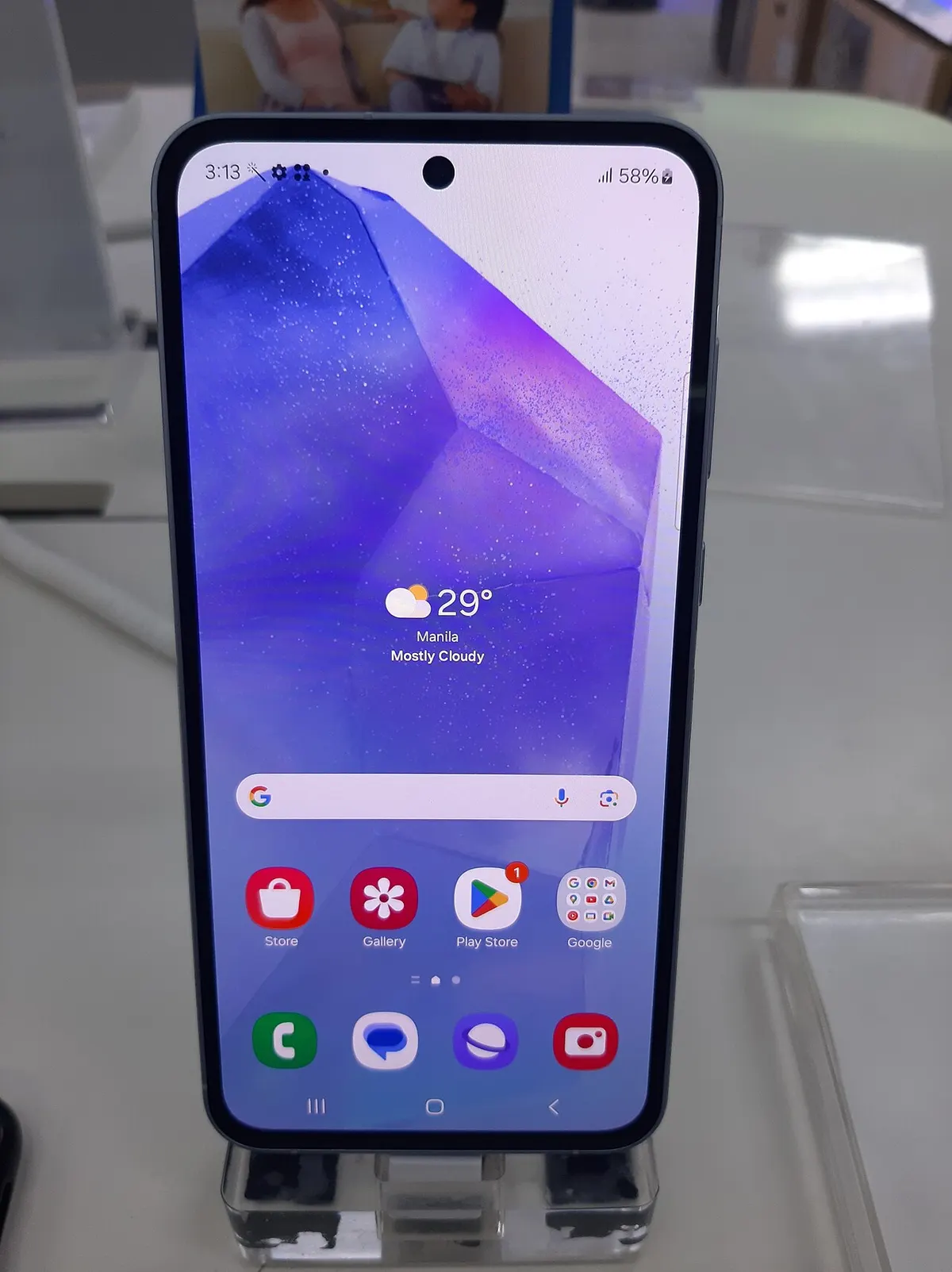
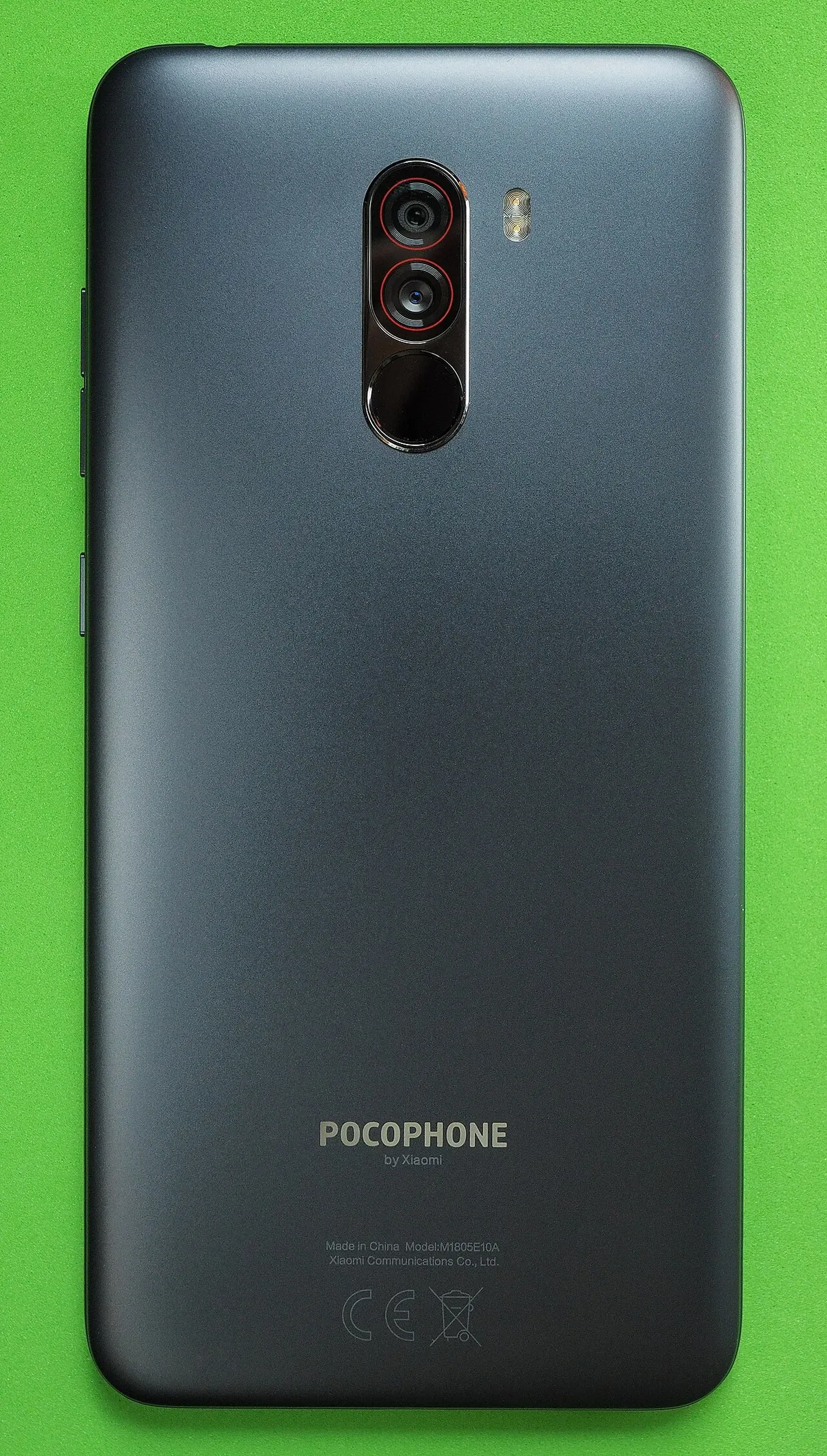
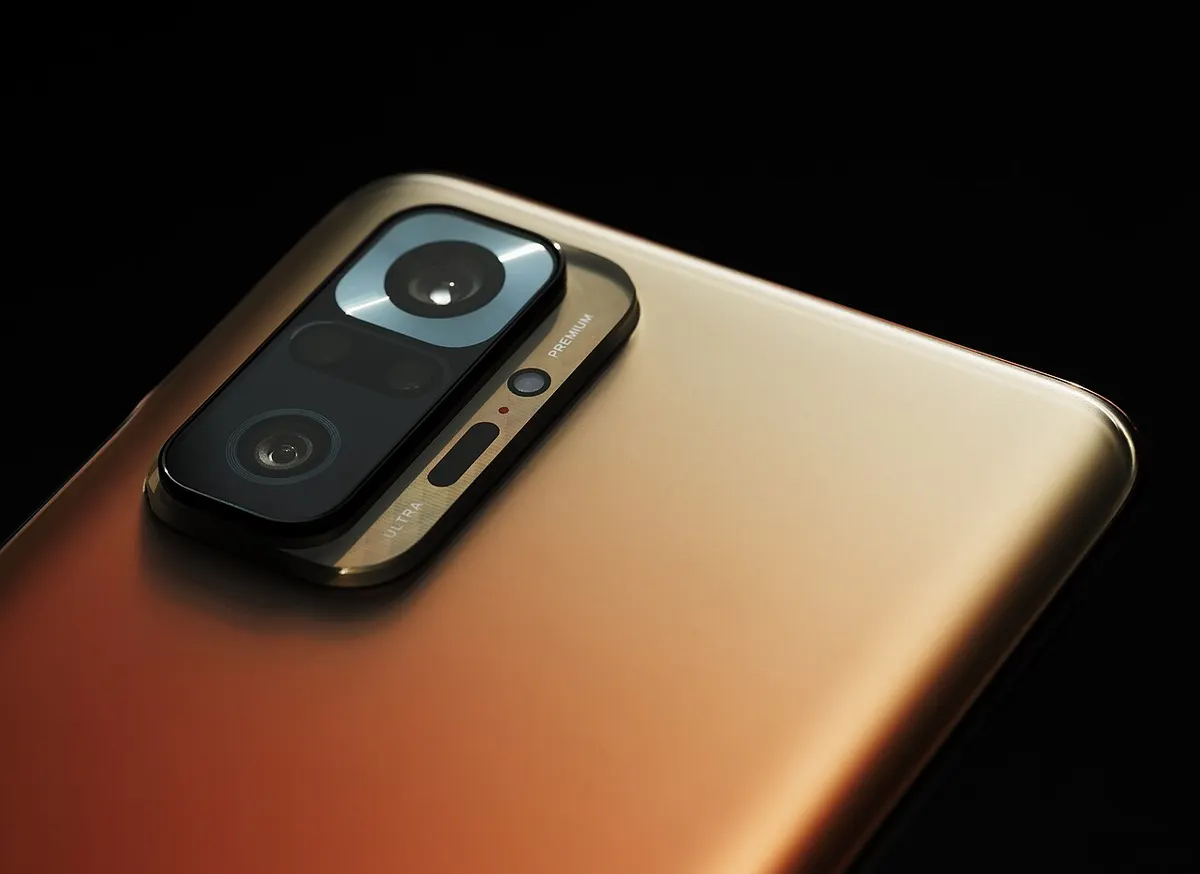
The three photos are openly licensed reference images of older Samsung and Xiaomi devices. They show real products, but they are not current recommendations, test results, or evidence about a seller’s stock. ElectronicSeek does not test phones, confirm carrier operation or determine warranty entitlement. Read the editorial methodology for the page’s source and review limits.
Build a category brief before reading product listings
Category pages are designed to reduce the first ambiguity: what kind of product and deployment is actually required? A category title should not become a substitute for an exact model, use condition or market. Write a short brief in your own words before comparing brand pages. Include the task to be performed, the environment, the non-negotiable requirements, the evidence you will accept and the questions that remain undecided.
Next, turn each candidate listing into a comparable record. Preserve its original wording, then attach the exact manufacturer source used for each material claim. A seller title might be useful for locating a product, but it does not establish a regional configuration, package content, compatibility or post-sale responsibility. Mark a cell as unresolved if the evidence does not address the same model and market.
Keep these questions distinct
- Identity: What exact device, accessory or network component is described?
- Capability: Does cited documentation support the required use under stated conditions?
- Deployment: What surrounding equipment, provider or administrator requirement must be confirmed?
- Transaction: Which business offers the item, and what delivery or remedy terms apply?
- Receipt: Which observations will verify that the delivered goods match the agreement?
A complete category brief does not need to list every feature. It needs to make the decision-critical features and uncertainties visible. Move to a linked brand page only after the category task is clear, and move to the sourcing guides only after you have a candidate offer. This avoids treating a manufacturer catalogue, a product photograph or a quotation as a complete answer.
Review the comparison before a decision
Read each row from left to right: requirement, candidate claim, evidence, limitation and next action. A comparison becomes fragile when it contains a precise conclusion but no link to the model or condition that supports it. Reopen a row when the quantity, destination, product configuration or seller changes. A row can be “not comparable yet”; that is a useful result when a missing fact could change the outcome.
Keep cost decisions separate from basic identity. A lower unit price does not cure an unspecified model, missing cable, unknown deployment requirement or unclear warranty path. Conversely, a technical match does not establish the commercial terms. Use the procurement and sourcing guides once a candidate satisfies the product brief. Store any invoice, serial identifier, credentials or payment evidence in your own restricted record. This site does not accept those materials and cannot validate a transaction.
Keep the record usable after the first comparison
Save the requirement brief with the sources and note the date it was reviewed. If a new offer appears, compare it against the same brief rather than rebuilding the criteria around the new sales title. If a required fact is unavailable, say what was requested and why it matters. That is clearer than substituting an assumption from a similarly named product. A good category record can be handed from a researcher to a buyer or receiving colleague without losing the origin of the conclusion.
At receipt, compare only the points agreed before the order: label, configuration, visible condition, accessories and quantity. Record an exception before treating it as resolved. This separates the editorial research task from a contractual acceptance decision, which belongs to the parties and their agreed process.
Where a product operates as part of a larger system, include the surrounding system in the brief. A device specification can be correct while the intended deployment remains unsuitable because of power, cable, network, carrier, service or administrative constraints. Ask the responsible provider or administrator to confirm those constraints before treating the comparison as complete.
Keep the final choice tied to the written brief. If the brief changes, record why and recheck the affected evidence.
The pictures on this page remain contextual reference photographs. They may help readers recognize a product class but do not establish performance, certification, stock availability or a particular seller’s conditions. Return to Categories to change category, or read the research methodology for source and review boundaries.