
Xiaomi Brand Guide: Products & Models
Identify Xiaomi Corporation, understand its consumer product ecosystem, and verify an exact Xiaomi, Redmi or POCO offer before comparing it.
AI-assisted source check; independent human expert review not recorded. Research methodology
Xiaomi Corporation is a consumer electronics and smart-manufacturing company founded on 6 April 2010 and listed in Hong Kong in 2018, according to its global company profile. For a reader comparing an offer, that corporate fact is useful context, but it does not identify a particular phone, prove that a seller is authorized, or establish a local warranty. The practical job of this guide is narrower: separate the company name, the product family, the exact model identifier, the regional offer and the evidence supporting each one.
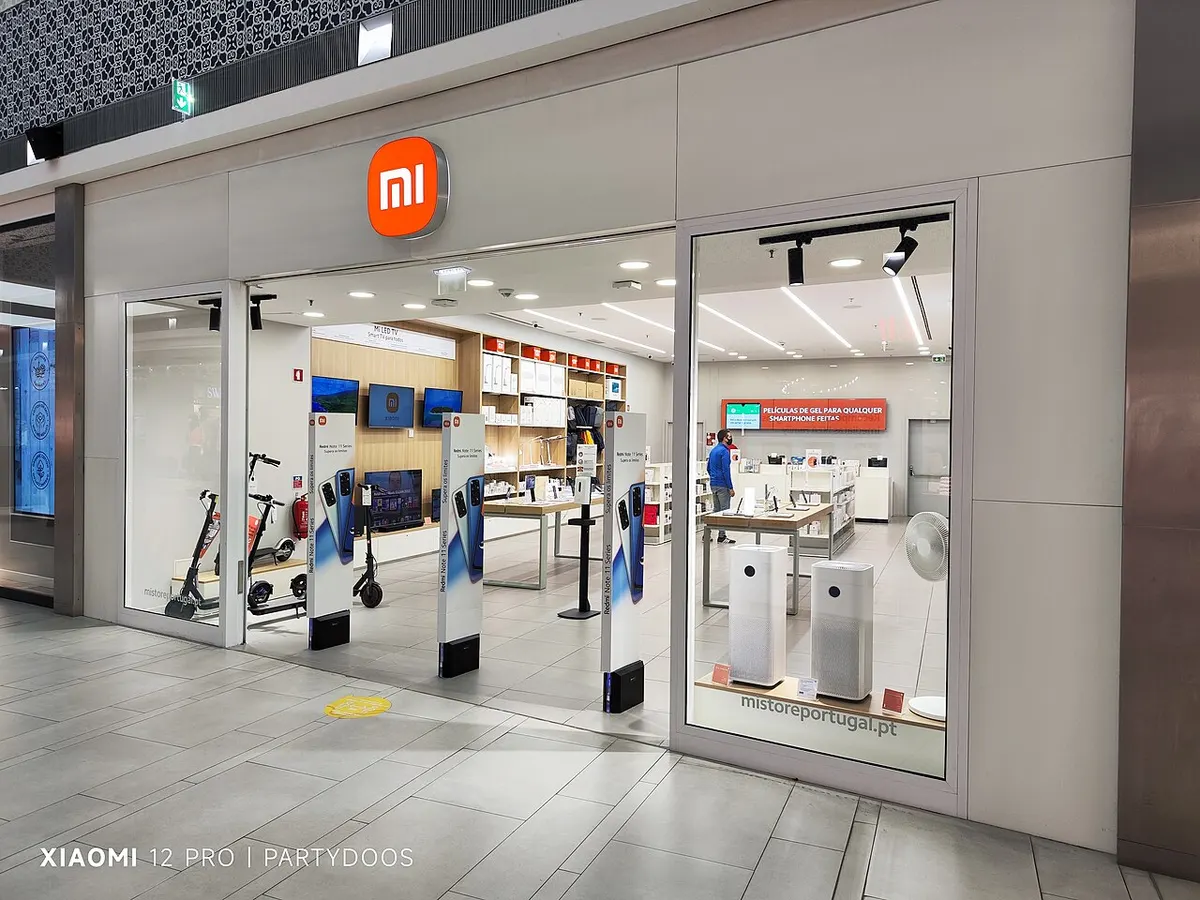

Start with the name on the offer
“Xiaomi” may describe the company, a consumer brand, a retailer-facing product name, or a product ecosystem in an informal conversation. An offer might also use Redmi or POCO. The company’s own About page presents multiple brands and product positions, while its global compliance directory lists individual phone names across Xiaomi, Redmi and POCO. Treat those observations as a prompt to locate the exact item, not as a shortcut for assuming that two similarly named products are identical.
Write the offer name exactly as shown, including spaces, generation labels, “5G,” storage configuration, colour and any suffix. Next, record the seller’s model number separately. A product title such as “Xiaomi 14 Global” is not the same field as a regulatory model identifier, an internal seller SKU, a serial number or an IMEI. The model-number guide explains why those labels should never be merged into one cell.
| Record | What it can help establish | What it cannot establish alone |
|---|---|---|
| Marketing name | Which product family the offer claims | Exact hardware, market or condition |
| Model number | A specific variant or regulatory record | A unit’s history or seller authorization |
| Seller SKU | The seller’s own stock reference | Manufacturer identity |
| Serial number / IMEI | One physical unit | A public product specification or safe-to-share identifier |
| Receipt or invoice | A stated transaction | Whether all technical claims are correct |
Keep sensitive unit identifiers in your own private record. There is no reason to put an IMEI in a public comparison worksheet or send it to an unverified contact.
Read the ecosystem without turning it into a compatibility claim
Xiaomi describes smartphones, electric vehicles and smart hardware connected through an IoT platform as part of its business. It also describes personal devices, home products and other categories on its corporate site. This tells you that a familiar company name can appear on very different product types. It does not mean every device works with every other device, has the same software features in every market, or receives the same support.
For phones, start in Mobile Phones and write the required use case before looking at a listing. Is the question about network support, required software, charging, camera configuration, carrier acceptance, packaging language or a replacement for an existing device? Then look for documentation covering the exact product and market. A broad ecosystem statement is not an answer to a model-specific requirement.
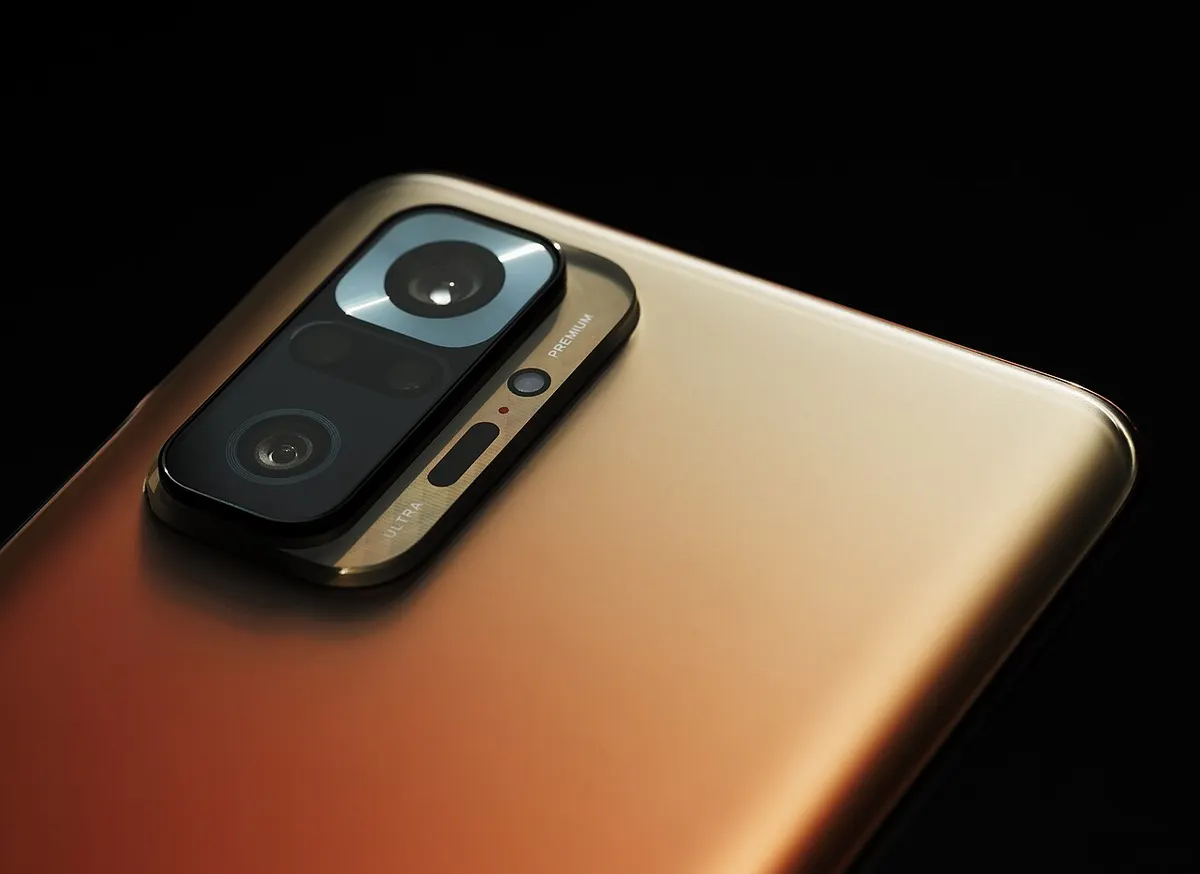

Use Xiaomi’s product and compliance material correctly
Xiaomi’s global compliance directory lists many named devices and links to documents. The RF exposure directory can identify a mobile-phone model code in a relevant document; for example, it states that model 23127PN0CG is designed to comply with applicable radio-exposure requirements. That is evidence about the cited model and the document’s stated purpose. It is not proof that an arbitrary marketplace unit is genuine, unlocked, locally warranted or supplied with the same accessories.
The practical sequence is:
- Obtain the seller’s exact model code, claimed destination market and product condition in writing.
- Find a manufacturer product or compliance record that names the same model or clearly explains the difference.
- Compare essential specifications, included accessories, software and network claims against the documentation for that market.
- Preserve a screenshot, link and access date beside the comparison row.
- Mark a point unresolved if the offer and the official record use different names or codes.
The Xiaomi 14 specifications page is an example of product-specific material. It is not a template for inferring specifications for every number in the Xiaomi catalogue. Product pages, service policy and feature availability can change by market and over time.
Regional wording needs evidence
Terms such as “global,” “international,” “EU,” “GCC,” “China version,” “unlocked,” and “original” often occur in an offer. They are claims to investigate, not universal specification categories. Ask what the seller means by the term and which exact device record supports it. For a mobile device, the consequence may involve radio bands, installed software, charger plug, packaging language, service route or a feature’s local availability. The answer depends on the exact model and destination.
Do not use a photo of a box, a translated title or a comparison site’s brief specification row as the sole basis for a regional conclusion. A photograph can show the pictured packaging at one moment; it cannot show the full configuration of every unit in a listing. Use the specification comparison worksheet to retain the claim, the supporting source and the remaining action separately.

A transparent offer review example
Imagine an illustrative offer called “Xiaomi 14 512GB global, sealed.” The title suggests a family, capacity, claimed market and condition. It does not yet identify the regulatory model code, firmware, included charger, country-specific warranty terms or seller role. An evidence-based record would request those items, then connect each answer to a source or document. If the model code cannot be obtained, the comparison should say “model code not supplied,” not quietly substitute a code found for another Xiaomi 14 listing.
This example does not describe a completed purchase or a fault rate. It demonstrates why a precise identifier is more useful than a longer sales title. The photographed Redmi packaging above is a historical, openly licensed reference photograph and is not evidence about the illustrative Xiaomi 14 offer.
Supplier and channel questions are separate
A correct model number does not show who owns stock, who will fulfil the order, or who is responsible for a return. First understand the stated role using Distributor vs Wholesaler vs Reseller, then use the existing supplier verification guide to collect evidence about the named counterparty. A seller calling itself a distributor is not, by itself, proof of authorization by Xiaomi.
For an order, store the model record, offer version, seller identity, delivery terms and post-sale promises in the same evidence file. If a material point changes, update the comparison rather than assuming a model name keeps every other term unchanged.
What this guide does not claim
ElectronicSeek does not test Xiaomi devices, publish an exhaustive model database, verify retailers or certify compatibility. This page does not rank current phones or recommend a seller. It gives readers a method for investigating an exact offer with official material and clear limits.
The three photos are openly licensed reference photographs of a Xiaomi store, a Redmi Note 10 Pro and Redmi packaging. They illustrate context and do not represent current stock, sponsorship, inspection or a product recommendation. Review the editorial methodology for source scope and AI-assistance disclosure, then continue to the Xiaomi model-number guide or the Mobile Phones category for the next task.
Use this brand profile as a research record
A brand profile is a map of questions, not a certification of every product sold under a familiar name. Start by separating what the company’s official material says from what an offer says. Corporate history and product-category pages can establish useful context. They usually cannot identify the configuration in a seller’s carton, confirm the seller’s commercial relationship, or promise service in the buyer’s country. Keep those claims in different columns of your notes.
For a specific product, make a dated record of the listed product name, model number, claimed market, capacity or configuration, condition, included accessories and supplier identity. Attach the manufacturer document that supports the product fact and the offer document that supports the transaction fact. When the two documents describe different versions, do not harmonize them by guesswork. Record the mismatch, state who needs to answer it, and defer a conclusion until the relevant evidence arrives.
Minimum evidence before comparing offers
- An exact product or model reference, not only a product family name.
- A current manufacturer, support or compliance source that addresses the required feature.
- A stated market or destination where regional behaviour matters.
- A written seller offer identifying condition, quantity and included items.
- A separate record of the entity invoicing, receiving payment and handling a remedy.
This structure is deliberately conservative. It avoids turning a widely recognized brand into an unsupported answer about an individual item. It also makes a later correction easier: another reader can see which source was used, what it supported and what remained unknown. When a source changes, revisit the affected conclusion rather than merely changing the page date.
When the records conflict
Do not decide that one record wins because it has a more attractive product photo, a lower price or a longer description. Compare the exact product identifier, publisher, date, stated market and the question each document is able to answer. A manufacturer support page may be the strongest source for a device procedure, while the seller’s written offer is the relevant source for its promised condition and quantity. They describe different facts. A conflict can sometimes be explained by a regional variant, an old document or a listing error, but it should remain a recorded conflict until evidence resolves it.
Save a copy or link to material that directly affected a decision, together with the access date. If a commercial document contains confidential details, retain it in the buyer’s own controlled records rather than uploading it to a public service. This publication has no document-submission or purchase-order facility. Where the stakes of a decision are high, use the responsible manufacturer, counterparty, carrier, provider or qualified adviser for the final confirmation.
Continue upward to Brands to choose another record, or use the linked category and sourcing guides to move from product identity to an actual offer. Do not publish private unit identifiers, invoices, payment details or configuration files in a shared research record.