
Xiaomi Model Numbers Explained
Use a Xiaomi model number as an evidence key, not a universal code to guess from; distinguish product names, compliance records and individual-unit identifiers.
AI-assisted source check; independent human expert review not recorded. Research methodology
A Xiaomi model number is useful because it can connect an offer to a manufacturer or regulatory record. It is not a public, universal sentence whose every character can safely be decoded without supporting documentation. Names, codes, seller SKUs, serial numbers and IMEIs are different identifiers. This guide shows how to use a code to ask better questions without claiming to identify every Xiaomi, Redmi or POCO variant from pattern matching alone.

Preserve every identifier as received
Copy the retail name, model number, storage and market claim exactly. Keep seller SKU, serial number and IMEI in their own fields. Xiaomi’s global compliance directory contains individual product names across its phone portfolio; its RF exposure directory provides model-specific documentation. That layout illustrates why an exact code is more useful than a broadly familiar name.
For example, Xiaomi’s RF exposure directory states that mobile-phone model 23127PN0CG was designed to meet applicable radio-wave exposure requirements. That supports a limited conclusion about that model in that document. It does not demonstrate a seller’s unit condition, local warranty, carrier suitability or a relationship to every offer called “Xiaomi 14.”
| Label | Best use | Limit |
|---|---|---|
| Product name | Human-readable family or marketed variant | Can be reused across markets |
| Model code | Search key for official records | Not a guarantee of unit authenticity |
| Seller SKU | Inventory/quote tracking | Not a Xiaomi identifier |
| Serial / IMEI | Private unit tracking | Not a public comparison field |
| Region claim | Research prompt | Not proof without a relevant record |
Follow the code to a source
Use the code in Xiaomi’s official product, support, compliance or RF exposure material. Record the URL, title, access date and exact statement that matters. If a result names a different product, different market or only a broad family, retain that limitation. Do not replace the code with a more convenient one from an unrelated listing.
The Xiaomi 14 specifications page is an example of a product page that must be read for its stated context. It does not automatically describe every regional configuration or retailer package. Features and service availability can vary by device, software and market. The safest conclusion is the one the cited record actually supports.

Do not turn a code into a country guarantee
Some buyers expect a suffix or code pattern to tell them where a phone will work. A code may be helpful in locating information, but network operation, software, charger, warranty and packaging are separate questions. Request the seller’s stated market, match the exact model to official documentation for that market, and check the relevant local provider when a connection requirement is critical.
An illustrative workflow: a seller gives a Xiaomi name but no model code. Mark the model as missing and request it. If the code leads to an official record, compare the record’s named product with the offer’s storage, market and included accessories. If any material field is still absent, do not represent the offer as a verified regional version.
Use a matrix, not a guess
The specification comparison guide and worksheet provide a place for the offer claim, source, confidence and next action. A well-kept matrix makes uncertainty productive: it shows exactly what evidence is still required. It cannot identify a handset from a photo or run a compatibility check.

Separate identity from the transaction
Finding a matching model record does not identify the seller, stock ownership, payment recipient or remedy route. Continue with Distributor vs Wholesaler vs Reseller and the supplier verification guide. For delivery, compare the agreed private record with the received item using the first-order checklist.
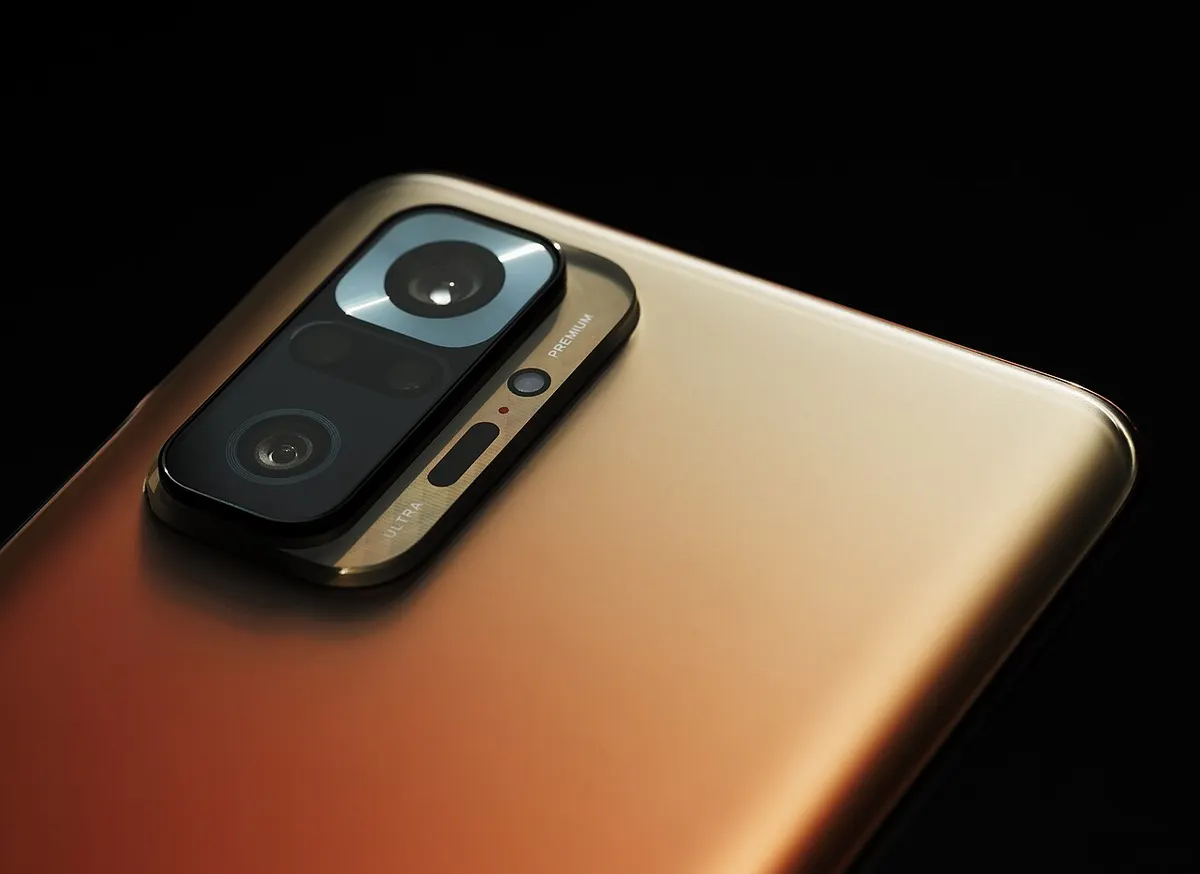
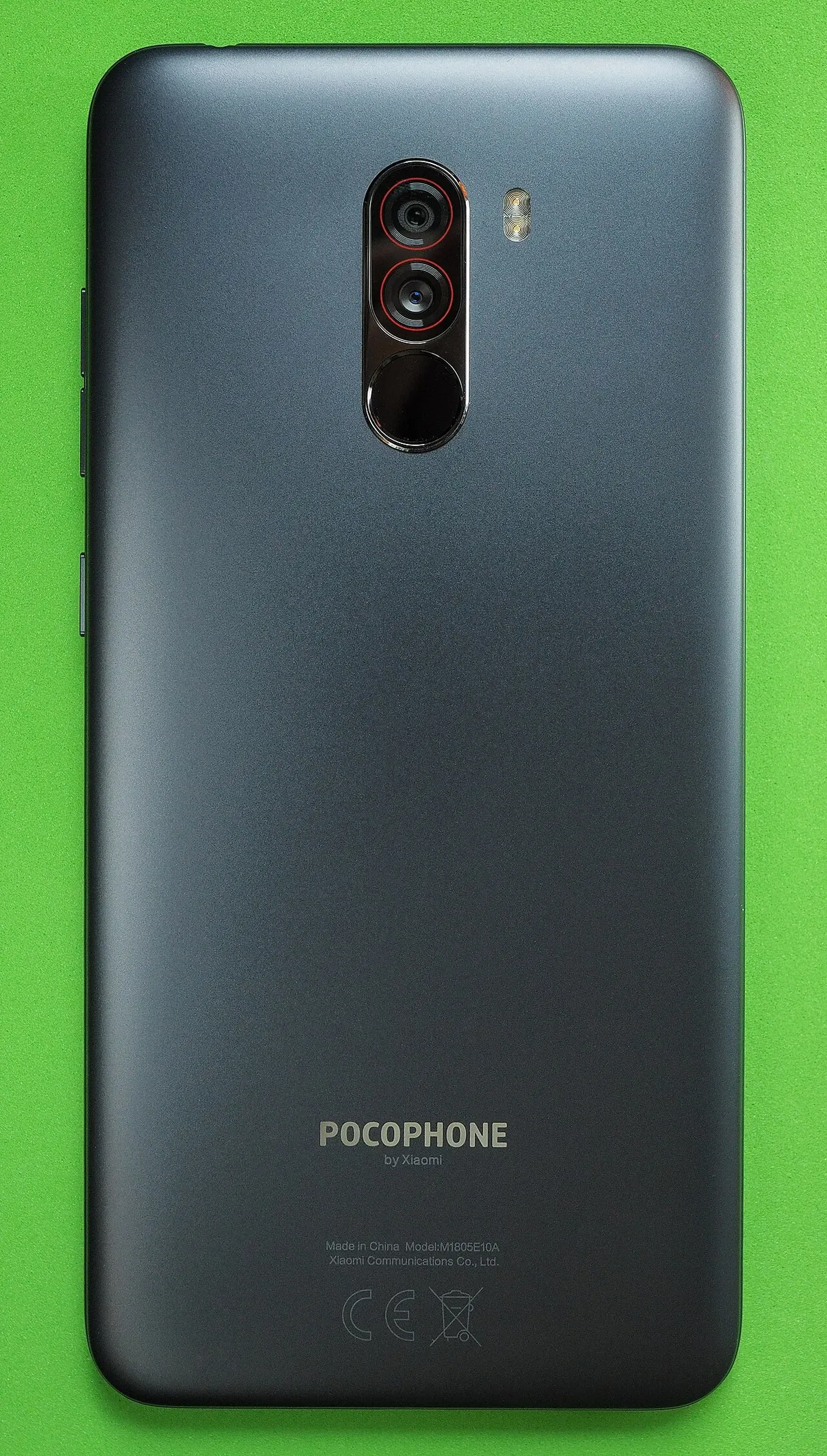
The three photos are openly licensed historical reference photos; they do not show the cited model, current packaging or a tested device. ElectronicSeek does not publish a universal Xiaomi code decoder, verify individual phones or recommend sellers. Read the Xiaomi brand guide and the editorial methodology for scope and source limits.
Apply the guide to evidence, not to a sales label
This guide explains a repeatable research task. It is not an automatic lookup service, a supplier approval, a legal opinion or a product test. Apply its distinctions to the documents in front of you. Keep the exact offer and source version, because a conclusion based on a different model, country or transaction can be misleading even when the general explanation is correct.
For every key claim, write who made it, which document supports it, the date accessed, its scope and the next action if it remains unclear. Do not upgrade “seller statement” to “verified” merely because the statement appears in several copies of the same listing. Independent evidence may come from a manufacturer product page, support record, official programme or a document that directly identifies the relevant counterparty. The appropriate evidence depends on the question.
A safe handoff format
- State the exact item, model, market or channel role being reviewed.
- List the claim that affects the decision and the source that supports it.
- Describe any condition, exception or unresolved gap next to the claim.
- Assign an owner and a decision point for the gap.
- Keep delivery, payment and private identifiers out of public notes.
This makes the work inspectable by another person. It also stops a generic explanation from being misread as a guarantee. If a key answer relies on local regulation, a carrier, a platform administrator, a contract or a current recall programme, use the relevant authority rather than treating this site as the final source.
Review the conclusion and its limits
Before acting, ask whether the evidence identifies the same model, market and transaction as the conclusion. If it does not, narrow the conclusion. A source can be official and still be too broad, too old or intended for another destination. Do not use a current general policy to fill a gap in a specific product record, or use a product record to infer a seller’s responsibility. State the remaining gap in plain words and decide who is able to resolve it.
Retain the source title, link and date alongside an important decision. If a page later changes, that record helps explain what was available at the time. For a real order, preserve private unit identifiers, commercial documents and account information in a controlled system. ElectronicSeek offers no escrow, buyer protection, verification service or dispute resolution. The guide is meant to improve the questions asked before those commitments are made.
Use photos and examples with the right weight
Reference photos can help a reader recognize a product class, packaging style or supply-chain setting. They do not establish that a particular pictured item is current, original, compatible, safe, in stock or supplied by the business being evaluated. Likewise, an illustrative scenario shows how to organize a question; it does not report a transaction, defect rate or market price. Keep a real conclusion tied to the real model, documents and terms in the decision record.
Finally, record the version of the guide that informed the work. The source-check date does not guarantee that a company policy, product page or programme will remain unchanged. Revisit material that is time-sensitive before payment, shipment or deployment. If new evidence changes a material conclusion, update the comparison and communicate the changed assumption to the responsible decision-maker.
Use wording that reflects the evidence level: “the cited page states,” “the seller claims,” “not confirmed,” or “requires local confirmation.” These phrases are more useful than an unsupported “works” or “approved.” They preserve the distinction between a source, an offer and the decision a reader must still make.
Clear uncertainty is a useful output, not a failure of the research record.
Before placing an order, re-open the official source and seller record once more. Confirm that the product code, market, condition, quantity and recipient named in the working record are still the same ones on the proposed order. If they are not, treat the change as a new research question rather than a harmless editing difference.
Linked content provides the next stage: product categories help define the requirement, brand profiles locate the right documentation, and the first-order checklist helps record execution. Return to Xiaomi Brand Guide for adjacent guides. Review the methodology before relying on examples; independent human expert review has not been recorded for this content batch.